
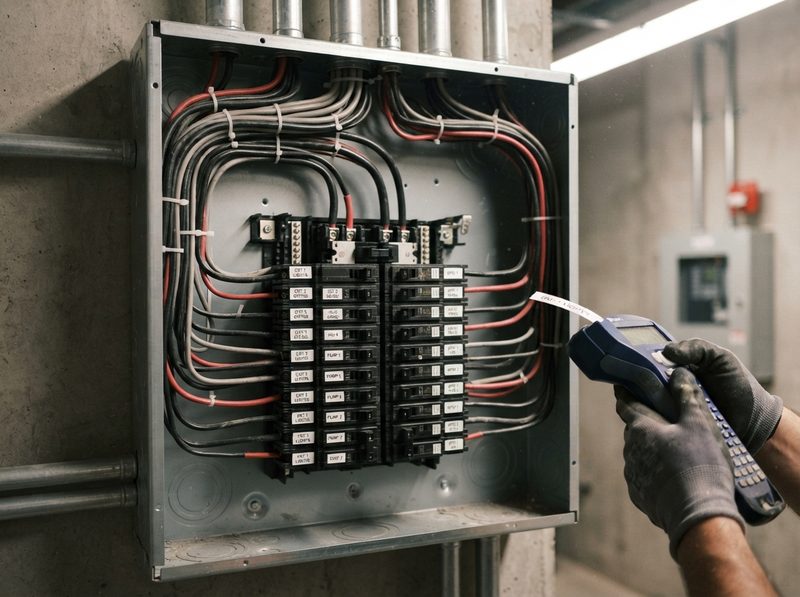
Water and electrical systems do not mix, and the danger does not end when the water recedes. Whether it is a basement that took on groundwater, a burst pipe, or coastal flooding from a storm surge, restarting power in a building that has been flooded needs to be done carefully and, in most cases, with an electrician involved before anything gets switched back on.
Why you should not just flip the breaker back on
Water that has reached outlets, panels, wiring or any electrical equipment can cause damage that is not visible once things dry out. Corrosion inside a panel, compromised insulation on wiring, or water trapped inside a piece of equipment can all create a shock or fire hazard the moment power is restored, even if everything looks fine from the outside. The absence of visible damage is not the same as the system being safe.
What to do before power is restored
- If it is safe to access, and you have not already lost power, shut off the main breaker before flood water reaches any electrical equipment. If the panel itself is already wet or partially submerged, do not touch it. Wait for an electrician.
- Stay out of standing water anywhere near electrical outlets, panels, appliances or equipment until you know the power is off.
- Do not attempt to dry out or inspect a wet panel, outlet or piece of equipment yourself.
- Photograph the damage for insurance purposes once it is safe to do so.
What an electrician checks before restoring power
An inspection after flooding typically looks at:
- Whether water reached the panel itself, and if so, whether components inside show corrosion or damage.
- The condition of outlets, switches and wiring below the flood line.
- Any equipment, such as furnaces, water heaters, sump pumps or HVAC units, that sits in or near the affected area.
- Grounding and bonding, which can be compromised by corrosion even when a circuit still appears to function.
Equipment and wiring below the flood line often needs to be replaced rather than dried out and reused, particularly anything with sealed components that trapped water can sit inside indefinitely.
Sump pumps deserve their own check
If flooding involved a basement, the sump pump is worth specific attention. A pump that failed during the flood, whether from a power outage or a mechanical fault, is worth understanding before relying on it again. This is also a good moment to consider a backup power source for the sump pump circuit, so a future outage during heavy rain does not repeat the same failure.
Commercial buildings and flooding
For a commercial property, flooding often affects more than a single panel: parking structures, mechanical rooms, and lower-level electrical rooms are common places for water to collect. Getting a qualified inspection before restoring power protects tenants and staff, and it is also documentation your insurer is likely to want if a claim is involved.
Insurance and documentation
Most insurers expect documentation before covering flood-related electrical damage, and that documentation is easier to gather before repairs start than after. Photograph the flood line, any visibly affected equipment, and the panel itself before anything is touched or removed. Keep a written record of when the flooding occurred, what was affected, and the date and findings of any electrical inspection. If equipment is replaced rather than repaired, keep the old components or at least photograph them, since an insurer or adjuster may ask for evidence of the failure rather than taking a description at face value. This is also a reasonable time to review whether your current coverage adequately reflects the electrical systems and equipment in the building, since a gap discovered after a flood is a hard way to find out.
Talk to Puffin Power
If your home or commercial building has taken on water and you need an inspection before restoring power, Puffin Power provides emergency electrical service across the region. Call (709) 769-9713 or contact us through /contact.html.
Published 2026-09-23 · About 3 minute read