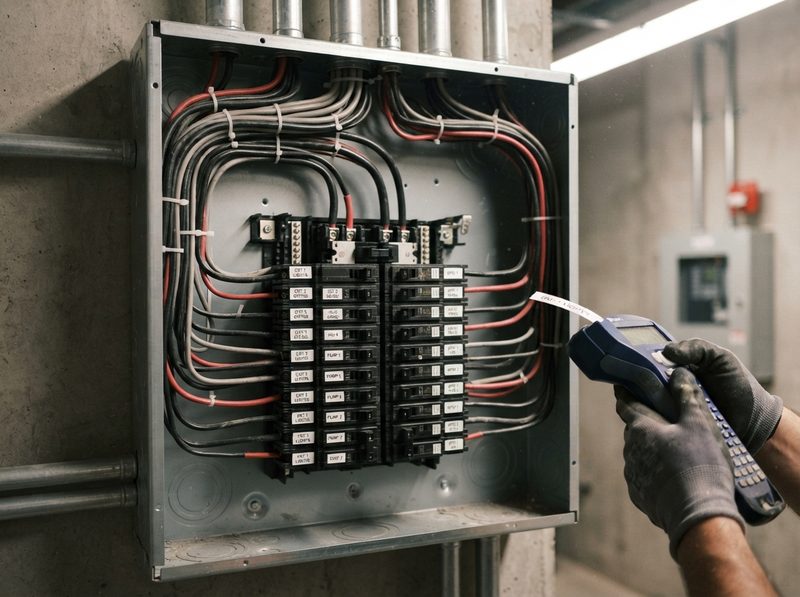
Estimating and bids
Allowances in electrical bids: keeping them honest
Allowances let a bid move forward before every fixture is chosen, but only if both sides agree on what the number covers.

Guides for estimators, property managers and homeowners across Atlantic Canada. Plain language, no sales pitch.
Allowances let a bid move forward before every fixture is chosen, but only if both sides agree on what the number covers.
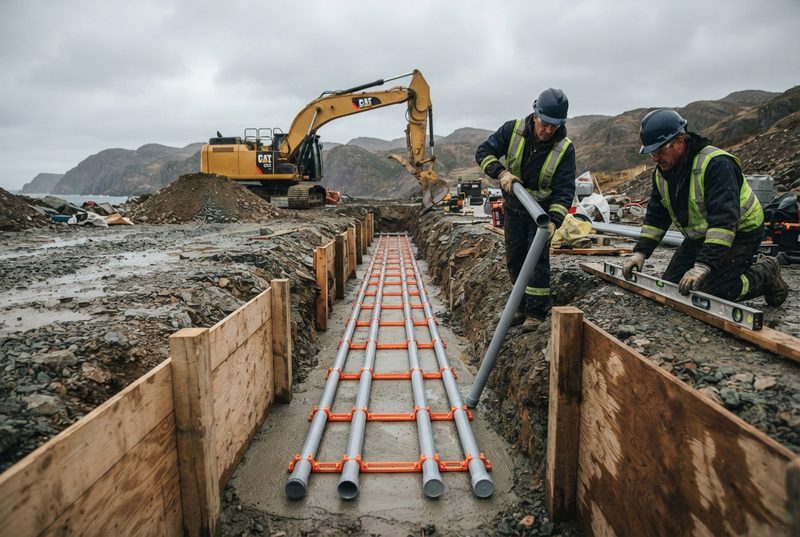
Underground electrical work has to align with civil scope early, or trenches get dug twice and schedules slip.
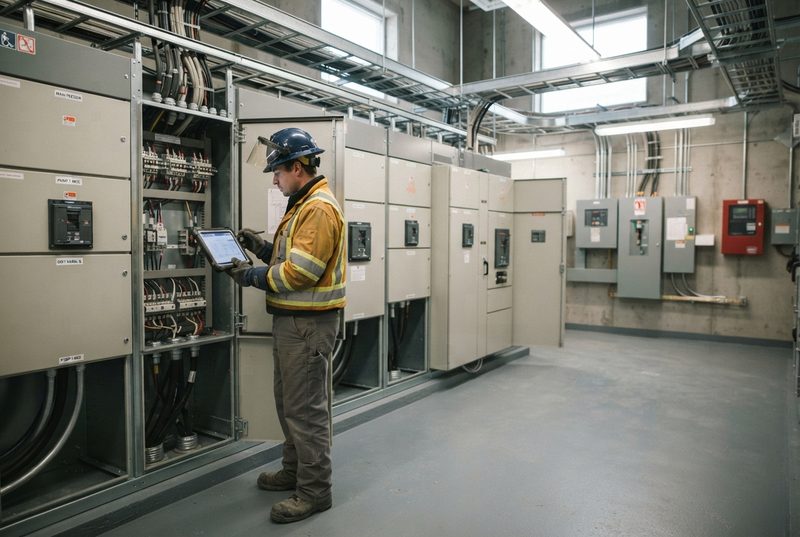
Choosing a delivery method before design starts affects how electrical costs, schedule and accountability are handled.
Most electrical change orders trace back to a handful of causes. Catching them early keeps a project close to budget.
A bid's exclusions list often matters more than its price. Know what to check before comparing electrical subcontractor quotes.
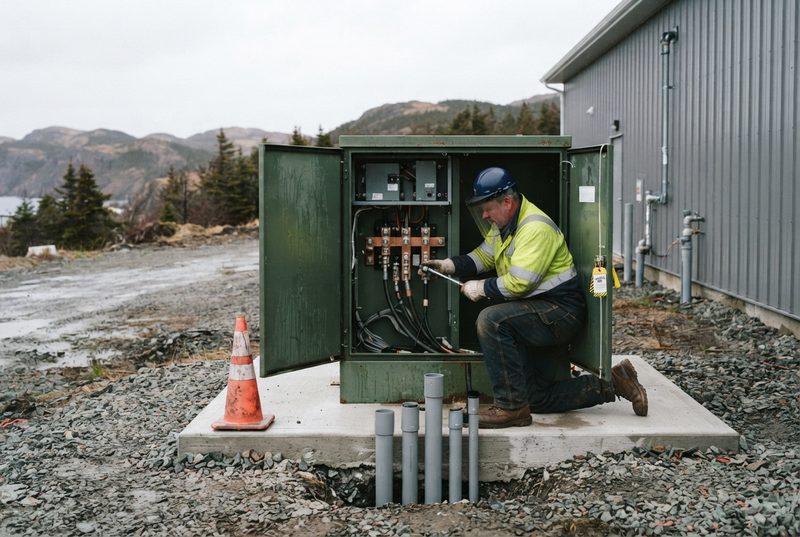
Switchgear, transformers and generators can take months to arrive. Order too late and the equipment sets your completion date.
A short prequalification check before bid day saves a general contractor from award-day surprises on licensing and capacity.
Value engineering an electrical scope can protect a budget without weakening the system, if the right items are on the table.
As-built drawings are only useful if they reflect what was actually installed. Here is what a complete set covers.
A complete bid package saves an estimator time and gets you a number you can trust, not a guess padded with contingency.
Some electrical drawings need a stamped, professional engineer's seal before a permit is issued. Here is how to tell if yours do.
Arc flash labels tell anyone opening a panel what hazard they face, and owners have an ongoing job keeping them accurate.
Waiting for an insurer or inspector to ask for electrical records is the wrong time to discover the records do not exist.
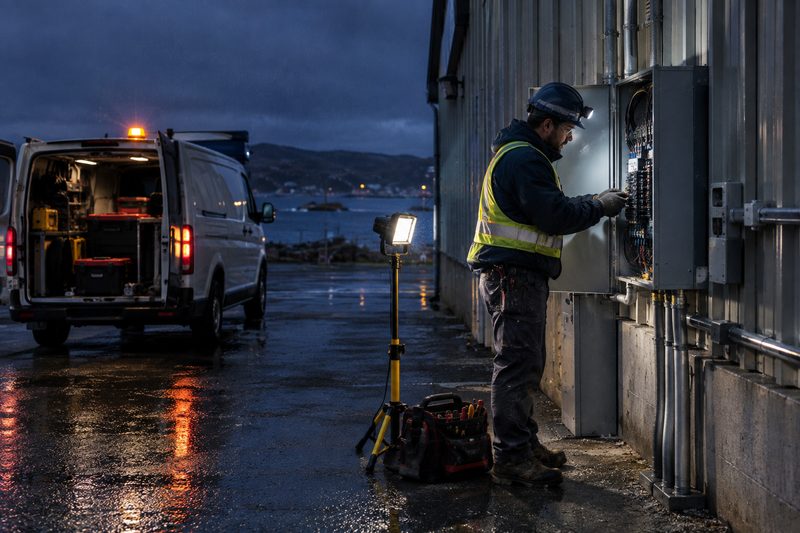
Testing emergency lighting and exit signs on a schedule protects occupants and keeps the paperwork ready for the next inspection.
An LED retrofit is an electrical project, not just a fixture swap, and treating it that way avoids problems after installation.
An exterior lighting upgrade addresses safety, energy cost and maintenance together, but it is an electrical project, not just a fixture swap.
In an occupied building, sequencing and communication around a shutdown often matter more to tenants than the electrical work itself.
A simple maintenance schedule catches electrical problems before they cause downtime, a tenant complaint or a fire risk.
Recognizing an undersized electrical service before a tenant or a new system forces the issue avoids a rushed, costly upgrade.
The base building's electrical capacity, not the tenant's design, decides whether a fit-up goes smoothly or turns into change orders.
A thermal scan of a panel under load finds problems long before they cause a breaker trip or an electrical fire.
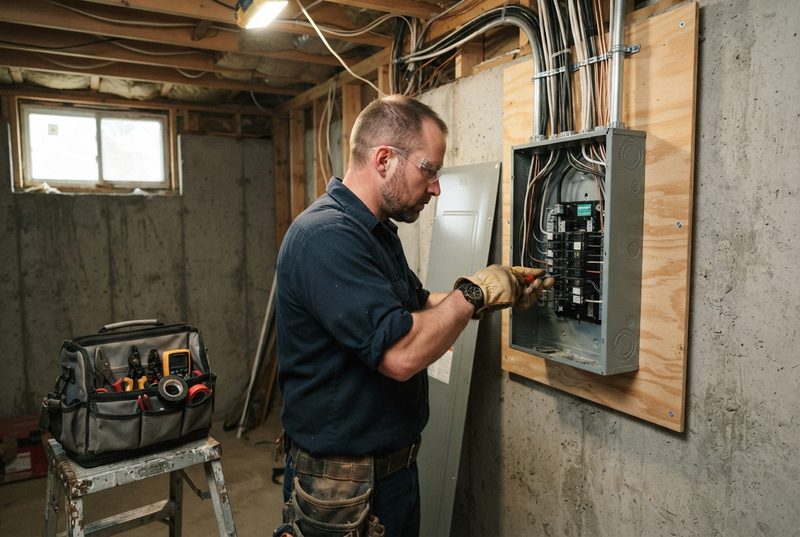
What homeowners should actually ask before hiring an electrician for a renovation, beyond price.
Most electrical work beyond basic like-for-like repairs needs a permit, and skipping it creates problems harder to fix than paperwork.
GFCI and AFCI devices guard against different hazards, and knowing which is which helps make sense of an inspector's recommendation.
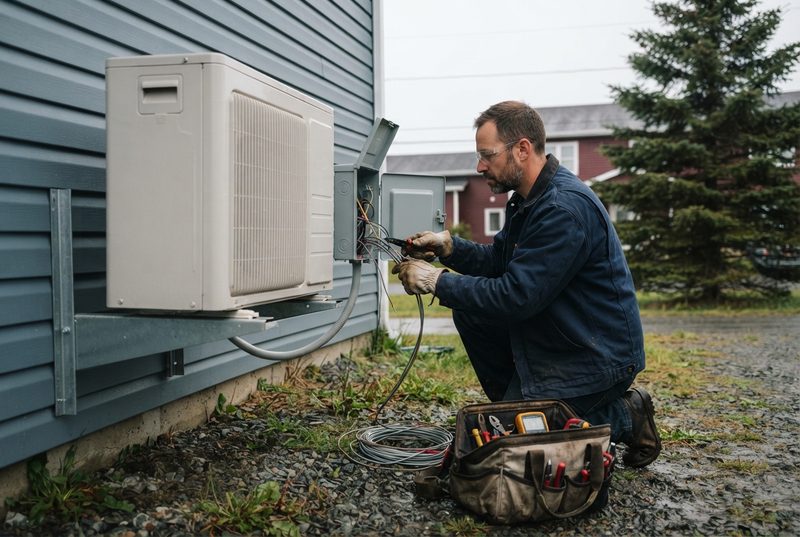
A heat pump performs only as well as the circuit and panel capacity behind it, and that side of the job is easy to overlook.
Neither wiring type makes a home unsafe by default, but both need a clear assessment rather than being ignored or assumed fine.
Homeowners finishing a basement should plan wiring before drywall goes up, not after.
Atlantic storms hit electrical systems hard; here is what homeowners can check before the next one.
Knowing what actually pushes a home past 100 amp service helps separate a real need from an upgrade that can wait.
Homeowners with growing electronics and appliance investments should understand what whole-house surge protection covers.
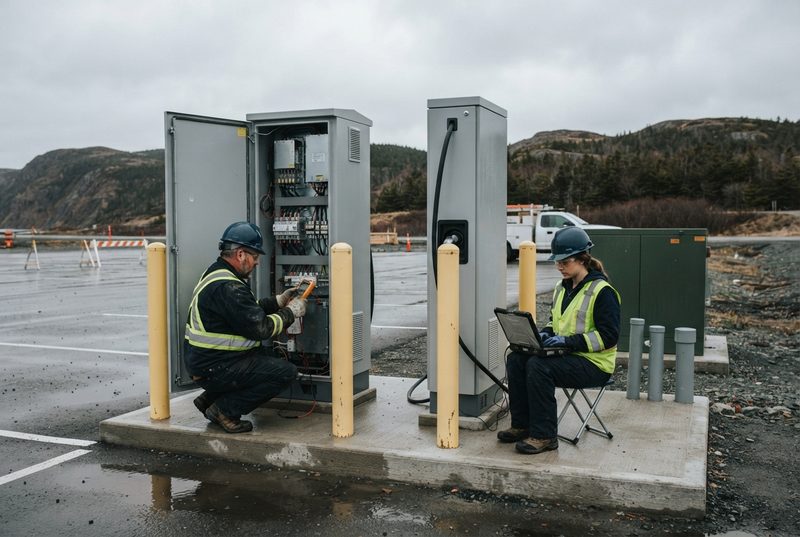
Property owners installing EV chargers in Atlantic Canada need equipment and siting that account for real winter conditions.
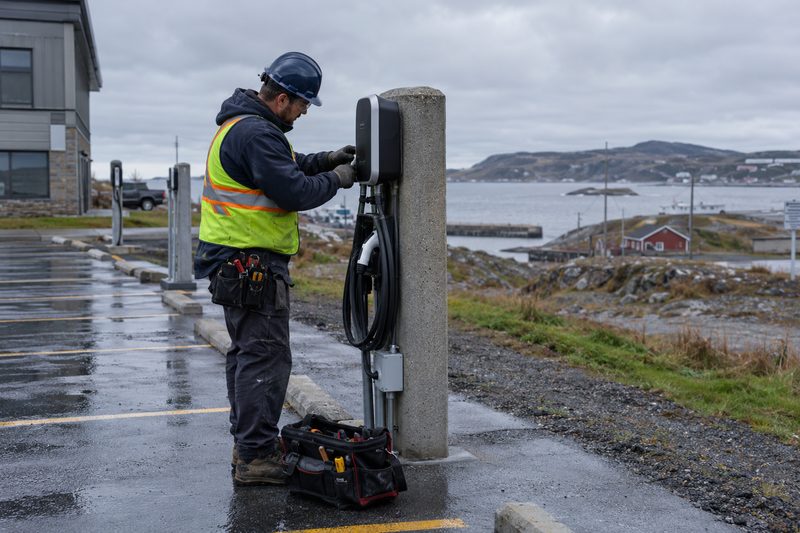
Property managers adding EV charging to an apartment or condo building need a plan that scales beyond the first few chargers.
What homeowners should know before booking a home EV charger installation, from panel check to permit.
Homeowners and businesses should check current programs directly rather than rely on what a neighbour or competitor received.
Business owners choosing EV chargers should match the charger type to how long vehicles actually stay parked.
Property owners installing multiple EV chargers can avoid a costly service upgrade with load management.
Fleet operators switching to electric vehicles need charging infrastructure planned around routes and schedules, not guesswork.
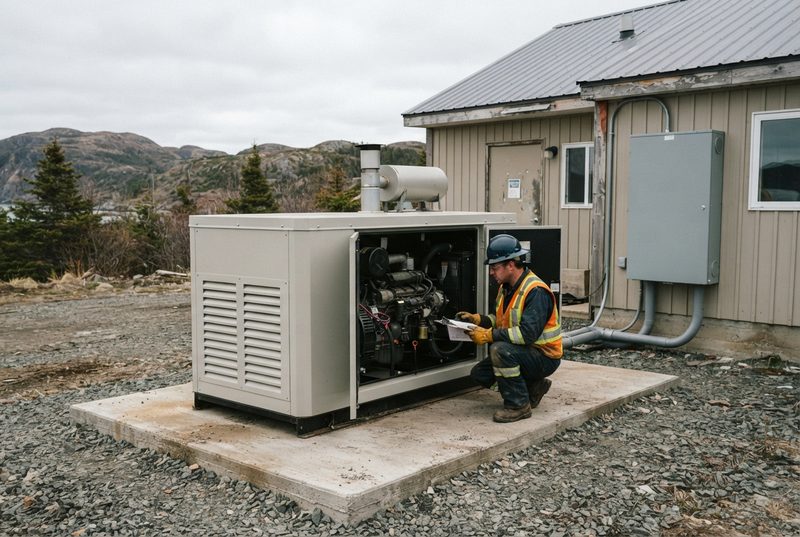
What an automatic transfer switch does during an outage, and what to check before adding one to a generator system.
Diesel, propane, natural gas and gasoline for standby and portable generators, and what actually affects the choice here.
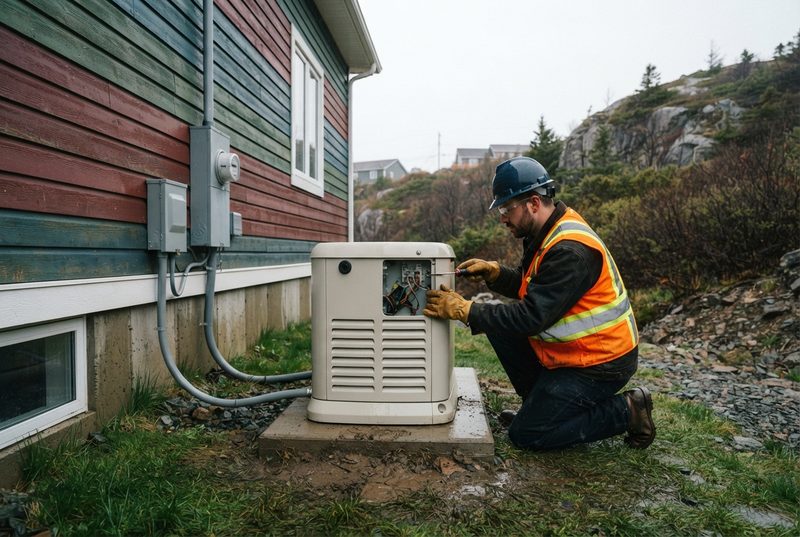
The real differences between a portable and a standby generator, and how to tell which one fits your situation.
Commercial property owners need a load study before choosing a standby generator, not just a building square footage estimate.
Homeowners choosing a standby generator should size it to what actually needs power, not the biggest unit available.
What regular maintenance a standby generator needs, and why skipping it is the most common reason one fails to start.
The signs of an electrical problem serious enough to call an electrician immediately, for homeowners and building owners.
What to check before restoring power to a building after flooding, and why an inspection matters even if nothing looks damaged.
The practical steps a building owner or manager should take in the first minutes of a commercial power outage.
What to expect when you call an electrician for an urgent problem, from the first call to the work being finished safely.
What business owners and property managers should check before a winter storm, and what to do if the power goes out.
How concrete-encased and direct-buried duct banks compare, and what should drive the choice on a development project.
Why underground electrical work on the Atlantic coast has to account for frost depth, bedrock and salt exposure from the start.
What a padmount transformer does on a development site, and the planning questions that avoid costly delays.
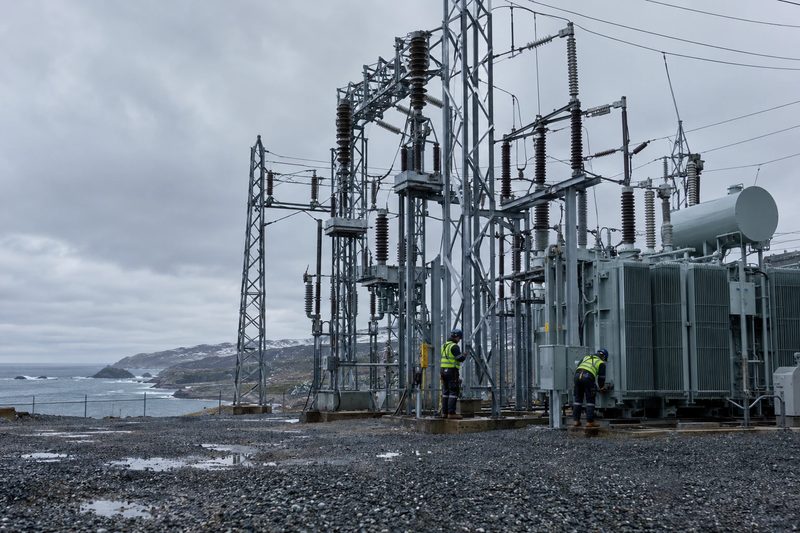
A plain explanation of what an electrical substation does and why developers and property owners run into them during a project.
What to plan for, city by city, from our base in Conception Bay South.