
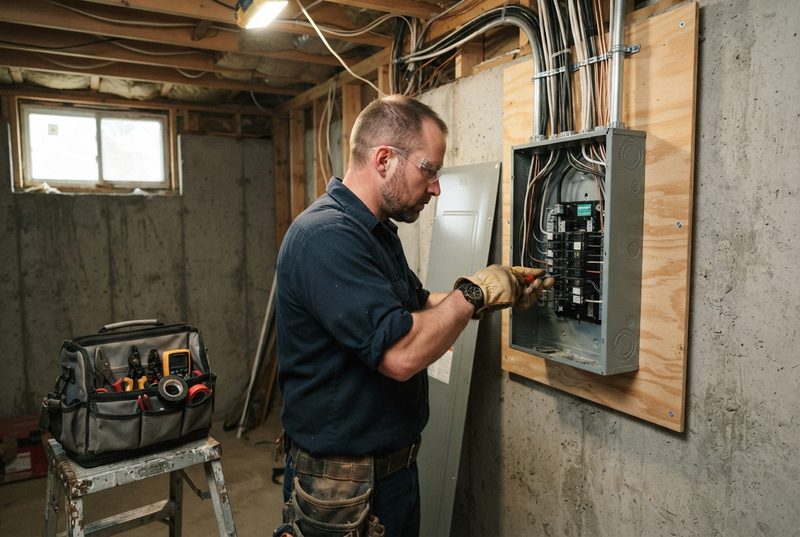
Homeowners planning electrical work, a panel upgrade, a renovation, a new circuit for a hot tub or an EV charger, often ask whether they really need a permit for something that seems simple. The short answer is that most electrical work beyond basic like-for-like repairs needs a permit, and skipping it creates problems that are harder to fix than the paperwork itself.
What a permit actually is
An electrical permit is an application to your provincial electrical inspection authority for the right to perform specified electrical work, along with notice that the work will be inspected. It is not simply a fee for the privilege of doing work. The inspection that comes with it is the part that actually protects the homeowner, by confirming the work meets the Canadian Electrical Code before it gets covered up behind drywall.
What typically needs a permit
- Service upgrades or panel replacements.
- New circuits, including those for heat pumps, EV chargers, hot tubs, and generators.
- Rewiring or significant alterations to existing wiring.
- New construction and additions.
Minor like-for-like repairs, replacing a broken outlet or switch with an identical one, generally do not require a permit, but the line between a repair and an alteration is not always obvious. When in doubt, ask your electrician or the inspection authority directly rather than assuming.
Why permits matter beyond the legal requirement
An inspected installation has been checked by someone with no financial interest in cutting a corner. This matters most for the things a homeowner cannot see once the wall is closed: wire sizing, connection quality, and grounding. A permit and inspection record also matters later, at resale, when a buyer's inspector asks whether past electrical work was permitted, and at insurance renewal, when an insurer may ask the same question after a claim.
What happens during a typical inspection
For most residential work, expect at least two inspection points: a rough-in inspection, before walls are closed up, checking wiring, boxes and connections, and a final inspection, after everything is complete and energized, confirming the finished installation. Your electrician should be scheduling these inspections as part of the project, not leaving it to the homeowner to coordinate.
What to do if you find unpermitted work
If you buy a home and discover electrical work that was never permitted, whether a panel upgrade, an added circuit, or a finished basement's wiring, treat this as something to have assessed rather than assumed fine simply because it has worked without issue so far. An electrician can evaluate the work and, where needed, bring it up to code and get it retroactively inspected.
Choosing a contractor who handles this properly
A licensed electrician should pull the permit themselves and coordinate inspections as a standard part of the job, not as an optional extra or something the homeowner has to request. If a contractor suggests skipping the permit to save time or money, treat that as a warning sign about the rest of the work, not a helpful shortcut.
DIY work and permits
Some provinces allow homeowners to pull their own permit and perform certain electrical work on a home they occupy themselves, subject to restrictions and inspection requirements. Rules on this vary and change, and the inspection standard applied to the finished work does not get lower because a homeowner did it rather than a licensed electrician. If you are considering this route, confirm directly with your provincial electrical inspection authority what is and is not permitted before starting any work.
What to confirm before work starts
- Is a permit required for this specific scope, and who is pulling it.
- What inspection points are expected, and who is scheduling them.
- Will you receive a copy of the permit closeout and inspection record for your files.
Puffin Power pulls permits and coordinates inspections as standard practice on residential electrical work across Atlantic Canada. Read more about the company.
Talk to Puffin Power
If you have electrical work planned and want to understand what permits and inspections apply, contact Puffin Power or call (709) 769-9713.
Published 2026-09-23 · About 3 minute read